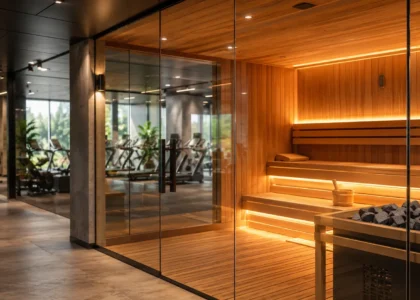
A well-planned home sauna design turns an ordinary corner of your home into a daily wellness retreat, but the difference between a space you love and one you regret comes down to the decisions you make before construction begins. From choosing between dry and wet heat to sizing the heater, ventilation and budget correctly, these ten essential planning tips take the guesswork out of the process so your finished sauna or steam room is safe, comfortable and enjoyable for years.
Quick summary: The biggest planning decisions are sauna vs. steam, realistic room sizing, placement, materials, correctly sized heating, ventilation, electrical capacity, quality-grade finishes, useful accessories and an accurate budget. Get these right up front and the build goes smoothly.
1. Choose Between a Sauna and a Steam Experience
Your first decision shapes everything that follows. A dry sauna delivers invigorating heat at low humidity (around 10–20%), heated by stones you can ladle water over. A steam room offers soothing moist heat at near 100% humidity, produced by a steam generator. Because the heating and environment differ so much, defining your preferred experience upfront ensures the whole build matches your goals. If you are undecided, our comparison of a sauna versus a steam room will help.
2. Size the Room Realistically
Oversized rooms often go underused and feel cavernous, while cramped ones frustrate daily use. Size for your actual lifestyle:
- Private homes: typically 2 to 4 people
- Shared or larger households: 4 to 6 people
Multi-tier benches and corner layouts let you fit flexible seating into a sensible footprint. If space is tight, our guide to fitting saunas and steam rooms into small spaces shows what is possible.
3. Plan for Placement, Convenience and Privacy
Accessibility and discretion matter. Popular locations include spaces near changing rooms, beside a master bedroom, adjoining a pool or jacuzzi, or connected to a home gym. Quieter areas offer a private sanctuary, while more central placement puts wellness on show, choose based on how you like to use it.
4. Get the Aesthetics and Materials Right
Appearance influences how often you actually use the space. Consider a modern spa look, a rustic cedar lodge feel, chromotherapy mood lighting, elegant tiling, glass surrounds with timber accents, and ergonomic multi-level benches. Every finish must balance beauty with moisture resistance and easy cleaning.
5. Size the Heating System Correctly
An underpowered heater struggles to warm the space, while an oversized one wastes energy. The heater or steam generator must be matched to your room volume and target temperature. Reputable installers calculate this precisely, explore our sauna heater supply and installation and steam generator supply and installation for correctly sized options.
6. Address Ventilation Early
Good ventilation regulates airflow, maintains visibility in steam rooms and prevents moisture damage. Plan for powerful exhaust fans, fresh-air intake vents and concealed ducting from the start. Skimping here risks discomfort and premature decay of walls and ceilings.
7. Plan Electrical Requirements in Advance
Home saunas and steam rooms need a dedicated 220–240V supply, typically with a 30–50 amp breaker for heaters and generators in the 2–6 kW range, plus capacity for ventilation, lighting and tech. Consult a qualified electrician on wiring upgrades and safety measures. A precise sauna temperature controller also makes daily operation effortless.
8. Choose Premium-Grade Materials
Longevity depends on quality. Prioritise mould and mildew resistance, heat and moisture strength, product safety certifications and warranties. Investing in grade-A volcanic rocks, precision-cut glass, certified timber and durable tiling costs more upfront but delivers repair-free enjoyment for years.
9. Personalise With Useful Accessories
Once the essentials are in place, add purposeful extras such as chromotherapy lighting, built-in audio, ergonomic backrests, digital control panels, towel warmers and hooks. These premium touches elevate the everyday experience.
10. Set a Realistic Budget
Accurate budgeting prevents mid-project surprises. Collect detailed contractor quotes covering materials, construction phases, labour and permits. As a guide, expect from around AED 25,000 for a simple single-person build up to AED 95,000 or more for a spacious, refined showpiece, with many options in between.
Home Sauna Design at a Glance
| Planning Factor | Typical Guidance |
|---|
| Room size | 35–75 sq ft for 2–6 users |
| Electrical supply | 220–240V, 30–50 amp breaker, 2–6 kW heater |
| Ventilation | Exhaust fan + fresh-air intake, concealed ducting |
| Drainage | Required for steam rooms; usually not for dry saunas |
| Budget range | AED 25,000 to AED 95,000+ |
Conclusion
Thoughtful home sauna design is what separates a therapeutic space you use every day from an expensive afterthought. By deciding on your heat experience, sizing the room and equipment correctly, planning ventilation and electrics early, and investing in quality materials, you set yourself up for years of safe, relaxing enjoyment. Partner with experienced specialists to translate your vision into a polished, code-compliant reality.
Frequently Asked Questions
What size room do I need for a home sauna or steam room?
Most home builds fall between 35 and 75 square feet, comfortably accommodating 2 to 6 users depending on the bench layout. Compact one to two person units can fit into smaller spaces, so a site measurement is the best way to confirm what works for you.
What electrical supply does a home sauna need?
Home saunas and steam rooms typically require a dedicated 220–240V supply with a 30–50 amp breaker, sized for heaters or generators in the 2–6 kW range plus ventilation and lighting. A qualified electrician should confirm your panel has enough capacity before installation.
How much does a home sauna or steam room cost in Dubai?
As a guide, simple single-person builds start from around AED 25,000, while spacious, refined installations can reach AED 95,000 or more. The final figure depends on size, materials, features and location, so an on-site quote gives the most accurate estimate.
Should I choose a sauna or a steam room?
Choose a dry sauna for invigorating heat, muscle relaxation and deep sweating, or a steam room for gentle, humid heat that benefits breathing and skin. Many villa owners install both through a combined sauna-steam build for maximum flexibility.
Do steam rooms need drainage?
Yes. Steam rooms require linear floor drainage connected to nearby plumbing to manage condensation, along with full waterproofing. Dry saunas generally do not need plumbing, which makes them simpler to place in more locations.
How important is ventilation in a home sauna?
Very important. Proper ventilation maintains comfortable airflow, prevents moisture build-up and protects walls and ceilings from premature decay. Exhaust fans, fresh-air intakes and concealed ducting should be planned from the outset, not added later.
What materials are best for a home sauna?
Look for certified, mould-resistant timber such as cedar or hemlock, precision-cut tempered glass, durable tiling and grade-A sauna rocks. Quality materials with warranties cost more upfront but deliver far longer, repair-free service, especially in Dubai's climate.