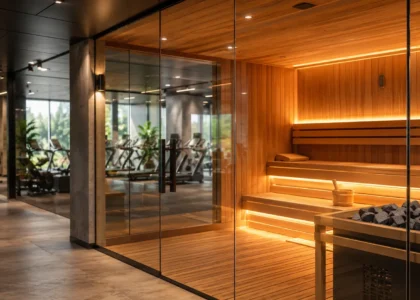
Choosing a sauna is a lot like choosing any major home appliance: the right decision comes from understanding how each option actually works. Whether you want relaxation, muscle recovery, skin benefits or pain relief, knowing the differences between the main types of saunas, from traditional wood-burning to modern infrared, helps you match the technology to your goals, your space and your budget. This guide breaks down each type's heating method, construction and experience so you can invest with confidence.
Quick summary: The five main types of saunas are wood-burning, infrared, electric, portable and outdoor. Wood-burning offers the most authentic ritual, infrared the gentlest and most energy-efficient heat, electric the easiest traditional experience, portable the most affordable flexibility, and outdoor the most scenic escape.
Overview of the Main Types of Saunas
While every sauna provides therapeutic dry (or occasionally humid) heat, the heating and construction approaches differ significantly:
- Wood-burning saunas use a wood stove to heat volcanic rocks, with water poured over them for steam bursts.
- Infrared saunas use light to heat the body directly at lower air temperatures.
- Electric saunas use an electric heater to warm stones for the traditional dry-heat experience with modern control.
- Portable saunas are compact pop-up or tent structures for temporary setups.
- Outdoor saunas are standalone garden cabins for a scenic, private retreat.
For a broader overview of sauna categories and their benefits, see our guide on what sauna rooms are.
Traditional Wood-Burning Saunas
The most iconic sauna, using building methods refined over 2,000 years of Nordic tradition.
How it heats
A wood stove heats volcanic stones on top while logs burn in the firebox below. Ladling water over the stones sends bursts of steam that temporarily raise humidity and intensify the heat.
Construction and experience
Framed timber walls and slat benches line the interior, with a chimney venting smoke through the roof. The dry heat penetrates the sinuses, while optional steam bursts momentarily raise the heart rate, promoting circulation.
Considerations
Wood-burning saunas require ventilated, waterproofed and fireproofed construction around the stove to meet codes, so installation is more complex and costly. They suit traditionalists who value authentic, time-honoured craftsmanship.
Modern Infrared Saunas
Contemporary infrared saunas use precise light waves instead of fire.
How it heats
Infrared emitters generate wavelength energy absorbed directly by your skin and tissue rather than warming the surrounding air. Carbon and ceramic emitters offer budget-friendly comfort, while full-spectrum units combine near, mid and far-infrared for customisable effects.
Construction and experience
Typically framed with insulated panels and flat emitters placed at body height, sometimes with timber trims. Because infrared heats objects rather than air, sessions feel comfortable at lower temperatures while the deep-penetrating warmth supports recovery and relaxation.
Considerations
Infrared saunas allow compact sizes, but quality matters, look for low-EMF emitters from reputable brands. To understand the technology fully, read our detailed guide on how infrared saunas work.
Electric Saunas
Electric saunas deliver the classic dry-heat experience without the maintenance of a wood fire.
How it heats
A powerful electric heater warms a compartment of sauna stones, which radiate steady, ambient dry heat. Water can still be ladled over the stones for the traditional steam burst (löyly).
Construction and experience
Insulated timber cabins with ergonomic benches, finished for durability against heat and humidity. Digital controls allow precise temperature and timer settings, making electric saunas the most convenient traditional option for homes.
Considerations
They need a dedicated electrical supply and a correctly sized heater. Our sauna heater supply and installation and sauna temperature controller services cover exactly this.
Portable Saunas
For flexible, budget-conscious heat therapy, portable saunas are hard to beat.
Lightweight pop-up tent structures with an external infrared heater let you set up a one-person sauna almost anywhere indoors. Benefits include easy mobility, quick 15-minute setup and affordability. The trade-offs are cramped quarters, no humidity control and a less immersive experience than a fixed cabin.
Outdoor Saunas
Outdoor garden saunas offer a scenic, private escape.
These standalone timber cabins sit on a small pad near outdoor living areas, letting you enjoy the view through glass facades while you sweat. They suit properties with garden space, though they require weather protection and, in Dubai's climate, are best enjoyed during the cooler months.
Comparing the Types of Saunas
| Sauna Type | Pros | Cons |
|---|
| Wood-burning | Most authentic experience, robust build | Higher cost, more maintenance and safety needs |
| Infrared | Compact, energy efficient, comfortable heat | Limited size, humidity and heat flexibility |
| Electric | Traditional feel with precise, easy control | Higher running energy costs |
| Portable | Affordable, flexible placement | Small, limited controls, less immersive |
| Outdoor | Scenic views, design flexibility | Weather protection needed, seasonal use in Dubai |
Which Type of Sauna Should You Choose?
The right choice depends on your priorities. For the deepest, gentlest heat at low temperatures, infrared leads. For an authentic, traditional ritual, wood-burning or electric saunas deliver. For flexibility and value, portables work well, and for a scenic garden retreat, an outdoor cabin suits larger properties. In apartments, infrared or electric units are usually most practical, while villas can accommodate any type. For local guidance, see our overview of the best home saunas for Dubai villas and apartments.
Conclusion
Understanding the different types of saunas, and how each one heats, is built and experienced, is the key to a satisfying, long-term investment. Whether you value the ritual of wood-burning heat, the efficiency of infrared, the convenience of electric, the flexibility of portable, or the beauty of an outdoor cabin, there is a sauna to match your wellness goals. Partner with experienced specialists to translate your vision into a beautifully built sanctuary that lasts for years.
Frequently Asked Questions
Which type of sauna is best for home use?
It depends on your space and goals. Infrared saunas suit apartments and those wanting gentle, energy-efficient heat; electric saunas offer the traditional experience with easy controls for villas; and wood-burning saunas appeal to purists with room for a proper installation.
What is the difference between infrared and traditional saunas?
Traditional saunas heat the air with a stove and stones, reaching high temperatures with a dry, intense heat. Infrared saunas heat your body directly with light at lower temperatures, which many find more comfortable and easier to tolerate for longer sessions.
Which sauna heats tissue the deepest?
Far-infrared saunas are designed to penetrate the deepest, warming the body directly rather than the surrounding air. This is why infrared is often favoured for muscle recovery and comfort at lower temperatures.
Are electric or wood-burning saunas better?
Both deliver authentic dry heat. Electric saunas are more convenient, with precise digital controls and no fire to tend, making them ideal for homes. Wood-burning saunas offer the most traditional ritual but need more maintenance, ventilation and fireproofing.
What safety certifications should a sauna have?
Reputable saunas carry recognised safety testing certification (such as ETL or CE) covering electrical, fire and materials safety. Always confirm certification and verifiable model and serial numbers when buying to ensure long-term safety and reliability.
Which sauna type is best for a Dubai apartment?
Infrared and compact electric saunas are usually best for apartments, as they fit smaller footprints, require less ventilation work and have simpler electrical needs. Villas with dedicated space can accommodate any type, including wood-burning or outdoor cabins.
Which sauna is the most energy efficient?
Infrared saunas are generally the most energy efficient, because they heat the body directly at lower temperatures rather than warming a whole room of air. This also makes them quicker to reach a comfortable session temperature.